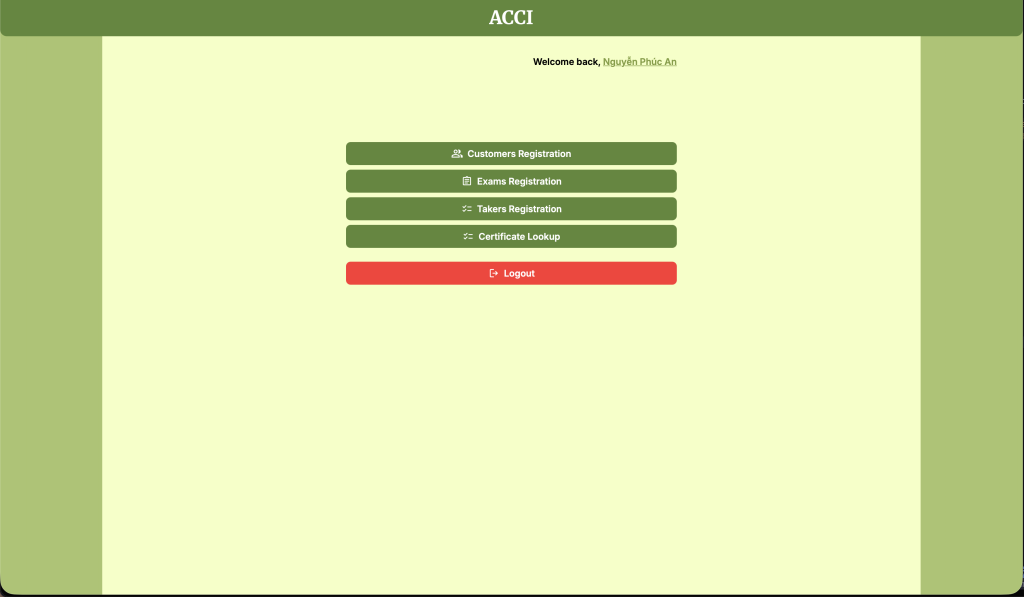
Description
The project was given throughout the course, from the Information Technology department,
to teach the process from start to finish, rather than focusing on the technicalities
or the AI hype-wagon like the Software Engineering department.
Us students are expected to go from diagrams, to proper designs, and then onto implementations,
without skipping a single step.
The Process
Requirements Analysis
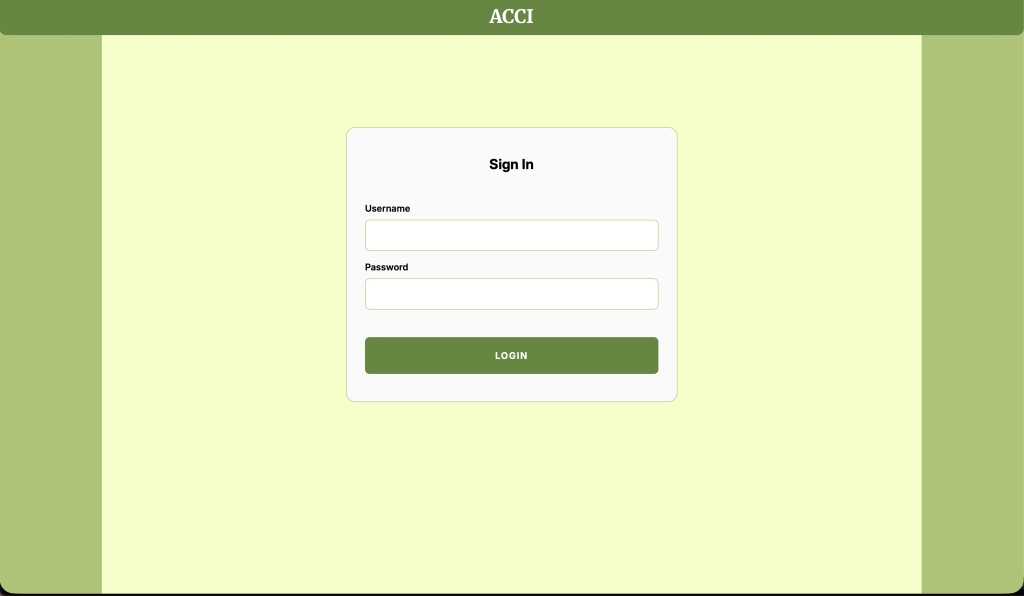
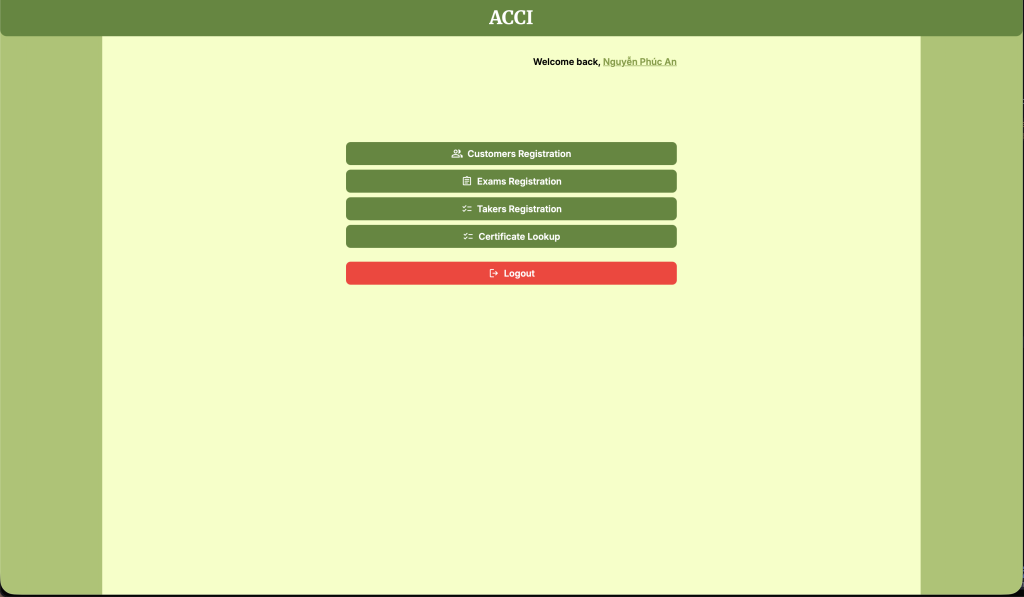
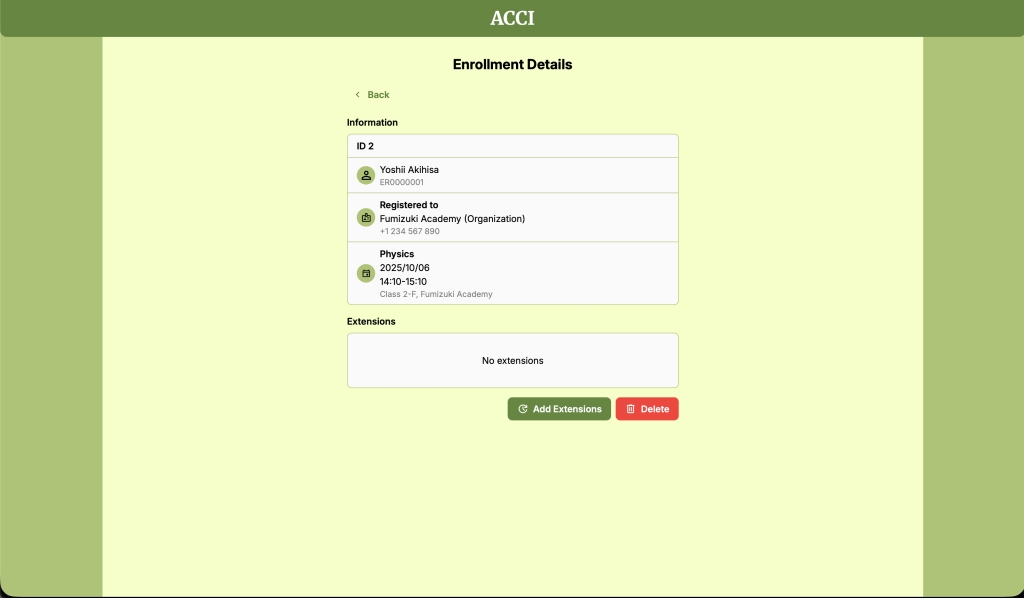
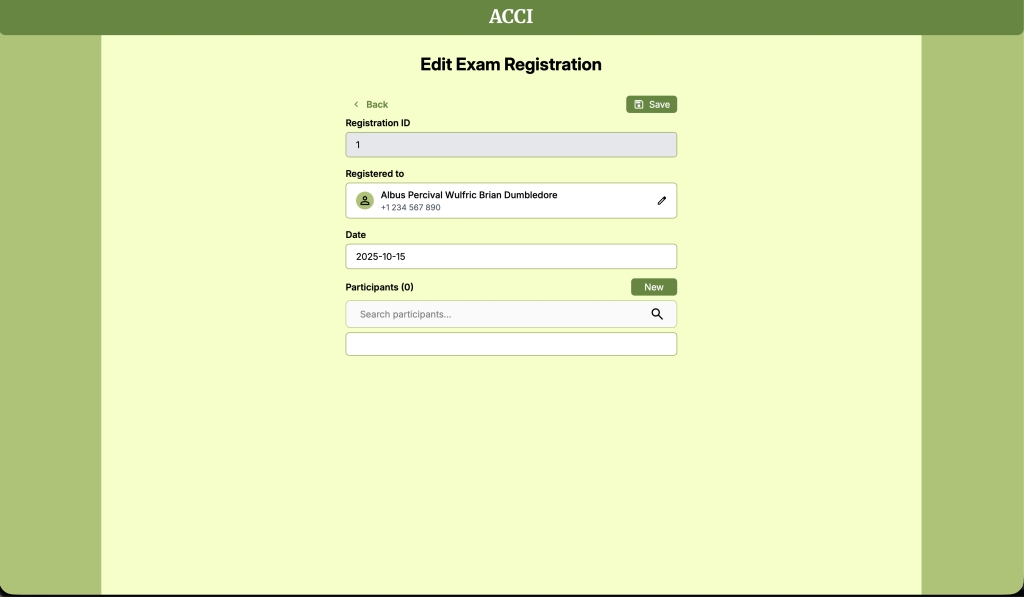
This project required us to, in short, develop a piece of software (resembling native
Desktop applications using Windows API) that allows different roles to accomplish
different tasks on the same platform or system.
- Acceptance Employee: Receives requests for individual examinations, or group-based
organization examinations at once.
- Accounting Employee: Reviews examination bookings, and deals with payment-related
flows.
- Data Employee: Manages the editing, viewing and re-examining the testing results.
We thought of only designing UIs in a way that it only showed options available
to the current role, and any actions not related to such role would be hidden
away.
UML Diagrams
Thanks to this course, we were able to learn what it was like to deal with business
use cases, as well as system use cases, separating the two for separate actors and
their expected audience.
Most of the files are already submitted at the time of the retrospective, so I
couldn’t really show them.
From system use cases, we would start defining relationships in class and entity
diagrams, with one-to-one or one-to-many relations. We would eventually learn that
the professors really did like Windows UI Forms, which they based a lot of their
diagrams in, such as using naming conventions for those, but as long as the names
make sense, “Label”, “Button”, “Switch”, etc. then it would still be fine.
Implementation
For the implementation phase, you needed to adhere as closely to the Sequence Diagram
as possible, but of course, for a bunch of kids majoring in Software Engineering
somehow finding their way into Information Technology course, it would not be a
surprise that we had a lot of trouble doing it.
I also wanted to force some level of discipline, such as any new features would
need a separate branch, before being merged. But I also noticed that the other two
members of my team had never worked on a repository in that way before, so the
process was rather loosened up, to not take too much time walking on eggshells
for arbitrary rules, but to not throw away all engineering practices either.
The Final Product